Key Takeaways
- Cats are generally perceived as low-maintenance, but still come with significant one-time and recurring expenses. Plan for at least S$2,000 to S$4,300 in your first year.
- All pet cats in Singapore must be microchipped and licensed via PALS (Pet Animal Licensing System) by 31 August 2026, after which unlicensed cats will be an offence.
- Licensing is currently free until 31 August 2026. Sterilised cats receive a lifetime licence, while unsterilised cats face higher fees from 1 September 2026 onwards.
- Adopt a cat in Singapore if you want to save on upfront costs: adoption fees (S$25–S$200) are far lower than purchasing a pedigree breed (S$1,000–S$6,500 or more), and most adopted cats come microchipped, vaccinated, and sterilised.
- Cats can live 12 to 18 years, making this a long-term financial commitment. A realistic baseline budget is S$100–S$200 per month for recurring costs for each feline.
From Maine Coons to Ragdolls to your HDB domestic shorthairs, felines of all kinds have won the hearts of many Singaporeans. And, compared to dogs, cats have a well-earned reputation for being a lower-maintenance pet. But make no mistake: costs can add up significantly across a cat’s lifetime.
Considering also that domestic cats can live anywhere from 12 to 18 years, cat ownership is a long-term commitment. If you are calculating financial commitment together with other major household bills, you may also want to read Car Ownership in Singapore: Cost and Cost of Hiring a Domestic Helper in Singapore.
Whether you’re thinking of heading to a shelter to adopt a cat in Singapore or are researching cats for sale, this cost guide breaks down exactly what you can expect to spend, from the moment you bring your new feline companion home to the ongoing costs of keeping them happy and healthy for years to come.
Average Cost of Owning a Cat in Singapore
Cat ownership in Singapore comes with two broad categories of expense: one-time costs that you’ll incur at the start, and recurring costs which are monthly and annual.
The table below provides an overview of the key expenses you’ll encounter:
| Expense | Type | Estimated Cost |
|---|---|---|
| Buying a cat (pedigree) | One-time | S$1,000 – S$8,000+ |
| Adopting a cat | One-time | S$0 – S$200 |
| Microchipping | One-time | S$0 (free drives) – S$80 |
| Sterilisation | One-time | S$50 – S$800 |
| Initial vaccinations (if unvaccinated) | One-time | S$50 – S$80 per shot |
| Cat licence (from 1 Sep 2026) | One-time / annual | S$0 (free until Aug 2026); S$35 lifetime (sterilised) |
| Cat-proofing (DIY) | One-time | S$50 – S$100 |
| Cat-proofing (contractor) | One-time | S$400 – S$1,000 |
| Cat food (dry food per feline) | Monthly | S$48 – S$100 |
| Cat food (wet food per feline) | Monthly | S$30 – S$180 |
| Cat litter | Monthly | S$5 – S$40 |
| Grooming | Monthly (optional) | S$50 – S$190 per session |
| Annual vaccination boosters | Yearly | S$30 – S$65.40 per shot (e.g. FVR-FCV-FPV-C, MLV & MLC (Purevax Feline 4)) |
| Routine vet visit | Yearly | S$40 – S$150 (consult only) |
| Medical procedures | As needed | S$200 – S$1,000+ |
| Dental cleaning | As needed | S$300+ |
| Cat furniture and toys | As needed | S$80 – S$200 (cat tree); S$2.50 – S$15 (toys) |
| Pet insurance | Monthly (optional) | S$15 – S$30 |
Cat Licensing
Did you know that it is compulsory to license your cat in Singapore?
Since 1 September 2024, all pet cats in Singapore, whether purchased from a breeder or adopted in Singapore from a shelter, must be licensed. This requirement applies even to cats previously registered on the old iFAST system. Licences can only be obtained through the Pet Animal Licensing System (PALS).
Before you can apply for a licence, two things must be in place:
- our cat must be microchipped
- irst-time cat licence applicants must complete a one-time free online pet ownership course.
Both requirements apply regardless of whether you bought or adopted your cat.
Licence Fees: 1 September 2024 to 31 August 2026 (Transition Period)
| Cat Type | Licence Type | Fee |
|---|---|---|
| Sterilised cats | One-time (lifetime validity) | Free |
| Unsterilised cats | Covers transition period (renewal basis) | Free |
From 1 September 2026, keeping an unlicensed cat will be an offence. If your wallet is ready to take a hit, here are the fees: Fees will apply as such:
| One-Year Licence | Two-Year Licence | Three-Year Licence | One-Time Licence | |
|---|---|---|---|---|
| Cats/dogs below 5 months | S$15 | N/A | N/A | N/A |
| First three cats/dogs (sterilised) | S$15 | S$25 | N/A | S$35 |
| First three cats/dogs (unsterilised) | S$90 | S$165 | S$230 | N/A |
| Fourth and subsequent cat/dog | S$180 (or S$15 reduced fee^) | S$325 (or S$25 reduced fee^) | S$460 | S$460 (or S$35 reduced fee^) |
^Reduced fee applies only to sterilised cats adopted from animal welfare rehoming partners. A 10% rebate also applies when paying via GIRO, online, or AXS.
Sterilising your cat before licensing is strongly encouraged: a sterilised cat qualifies for a one-time S$35 lifetime licence, compared to a S$230 three-year licence for an unsterilised cat. That’s a substantial saving!
One-Time Costs of Owning a Cat in Singapore
| Expense | Estimated Cost |
|---|---|
| Buying a cat (pedigree) | S$1,000 – S$8,000+ |
| Adopting a cat | S$0 – S$200 |
| Microchipping | S$0 – S$80 |
| Sterilisation | S$50 – S$850 |
| Initial vaccinations (if not yet done) | S$50 – S$80 per shot |
| Cat licence (transition period: free; from Sep 2026: S$35 lifetime for sterilised cats) | S$0 – S$35+ |
| Cat-proofing | S$50 – S$1,000 |
| Estimated Total (adoption route) | ~S$300 – S$1,800 |
| Estimated Total (purchase route) | ~S$1,300 – S$9,000+ |
Cost of Buying a Cat in Singapore
If you’re looking to buy a cat in Singapore from a licensed cattery, be prepared to pay a premium. Cat prices vary significantly depending on the breed, pedigree, country of origin, and the breeder’s reputation. Popular breeds in Singapore include:
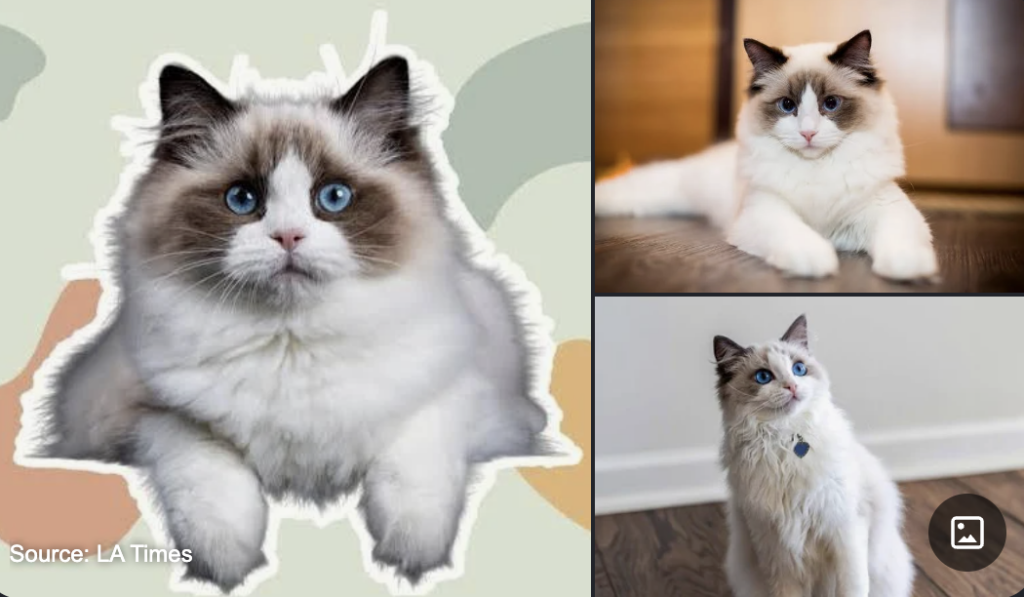
Image source: latimes.com/companion-animals/cats/breeds/story/ragdoll-cat-breed-guide
Ragdoll: Ragdolls are known for going limp when picked up, making them a crowd favourite. Cats of this breed from reputable catteries start from around S$5,000 and can reach S$8,000 or more for champion bloodlines. This price reflects the Ragdoll’s high demand, thoroughness of health testing, and importing costs.
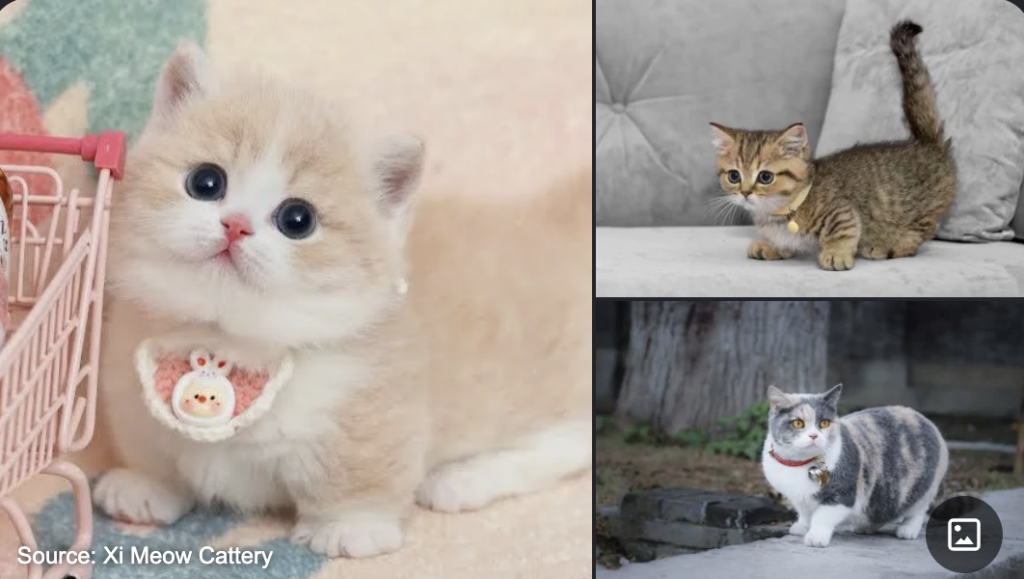
Image source: https://ximeowsg.com/kittens/munchkin/
Munchkin: Licensed, ethical breeders typically sell Munchkins from S$1,500 to S$3,500 for standard short-legged kittens, with non-standard (long-legged) kittens from the same litter usually available for less. Show-quality or rare-coloured Munchkins can command higher prices.
British Shorthair, Scottish Fold, Persian, Maine Coon: These popular breeds typically range from S$1,000 to S$8,000+ depending on pedigree and provenance.
When you buy a kitten in Singapore, always verify that the breeder or pet shop is licensed by the Animal and Veterinary Service (AVS) of Singapore. A reputable breeder will also provide a vaccination certificate, microchip documentation, and pedigree papers. Request to see the cat in person and inspect its living conditions before committing. Avoid any sellers who are unwilling to respond to these requests.
Cost of Adopting a Cat in Singapore
If you want to adopt a cat in Singapore, the upfront cost is far lower. Most adoption fees range from S$0 to S$200 and typically include microchipping, sterilisation, initial vaccinations, and deworming. This means you’re already saving S$200 to S$400 in vet costs compared to buying from a breeder. The money collected usually goes to purchase more food and supplies for other rescue cats.
Here are the main adoption organisations:
| Organisation | Location | Adoption Fee | Typically Included |
|---|---|---|---|
| SPCA Singapore | 50 Sungei Tengah Road | S$25 – S$200 (varies by age/breed) | Sterilisation, vaccination, microchipping, deworming |
| Cat Welfare Society (CWS) | Adoption board (foster-based, no physical shelter) | S$50 – S$200 (set by individual fosterers) | Vaccination, deworming; sterilisation required by 6–8 months |
| Kitten Sanctuary Singapore (KiSS) | By appointment | S$80 – S$150 | Vaccination, deworming, litter training, socialisation |
| LUNI Singapore | Via Facebook (foster-based) | S$280 – S$350 | Comprehensive vet checks, vaccinations, deworming, sterilisation, microchipping |
| Metta Cats & Dogs Sanctuary | 59 Sungei Tengah Road | From S$50 (donation-based) | Basic health checks, sterilisation; 2-week adoption trial offered |
The practical benefits of adopting rather than buying include: lower upfront costs, full medical documentation, an adult cat’s established personality (no guesswork on temperament), and the assurance that your adoption creates space for another rescue.
Microchipping
Microchipping is mandatory for all pet cats in Singapore as a condition of licensing. If your cat is not yet microchipped, the procedure can be done at most vet clinics in Singapore for around S$50 to S$80. At EverVet, for example, microchipping is priced at S$65.60 (excluding consultation). AVS also organises free microchipping drives at various community locations and partner vet clinics; check the current schedule for upcoming events. Do remember to book your appointment in advance (no walk-ins)!
The microchip itself is a tiny chip about the size of a rice grain, inserted beneath the skin. The procedure is fairly fast and it contains a unique ID number that enables vets or authorities to quickly identify your cat and reunite them with you if they go missing.
Sterilisation
Sterilisation is not mandatory in Singapore, but it is strongly recommended, both for health (reduced cancer risk, fewer behavioural issues such as caterwauling and territory marking) and licensing purposes (sterilised cats qualify for a far cheaper lifetime licence from September 2026 onwards).
Most cats adopted from registered shelters and welfare groups will already be sterilised. If your cat has not been sterilised, you should expect to pay:
| Male Cat | Female Cat |
|---|---|
| S$50 – S$350+ | S$100 – S$800+ |
Female sterilisation (spaying) costs more than male neutering due to the more complicated procedure.
Under the Cat Welfare Society’s Pet Cat Sterilisation Support (PCSS) programme, financial assistance may be available for those who genuinely need it. The Community Cat Sterilisation Programme (for community cats, not pet cats) covers up to S$110 for male cats, S$230 for female cats, and S$350 for complex procedures.
Initial Vaccinations
Vaccination costs are typically covered by shelters or reputable pet shops as part of the adoption or purchase fee.
If your cat has not yet received its initial vaccinations, the core feline vaccination (typically covered by Felocell 4-in-1) includes feline panleukopenia/parvovirus, calicivirus, and herpesvirus/rhinotracheitis.
Kitten Vaccination Schedule
Unlike adult cats, kittens can’t rely on a single shot for protection, as their immune systems need several rounds of vaccination to build proper immunity.
A typical kitten vaccination series involves 3 to 4 doses of the core FVRCP vaccine (feline panleukopenia, calicivirus, and rhinotracheitis), starting as early as 6 to 8 weeks old and repeated every 2 to 4 weeks until your kitten reaches 16 weeks of age. You will probably need to budget for multiple vet visits in the first few months.
A follow-up booster is then typically due around the 1-year mark, after which most vets shift your cat to the standard adult schedule of boosters every 3 years.
| Vaccination | Approximate Cost (excluding consultation) |
|---|---|
| Felocell 4-in-1 (Feline) | ~S$13.70 per shot |
| Typical all-in cost per shot at most clinics | S$50 – S$80 (including consult) |
Cat-Proofing
It’s one of the first things you should do before bringing your cat home and many adoption organisations will require cat-proofing evidence (photos of window grilles or mesh).
Cats are curious, agile climbers with an unfortunate tendency to explore window ledges and balconies. Falling from heights is a serious risk for cats in Singapore’s HDB and condo living environment.
| Method | Estimated Cost |
|---|---|
| DIY plastic mesh with cable ties | S$50 – S$100 |
| Contractor-installed invisible grilles or netting | S$400 – S$1,000 |
Beyond windows, cat-proofing also includes removing toxic houseplants (lilies, monstera, tulips, and daffodils are common hazards), securing loose electrical cables, and putting away foods that are toxic to cats (chocolate, grapes, raisins, garlic, and onions, among others).
Recurring Costs of Owning a Cat in Singapore
| Expense | Estimated Monthly Cost | Estimated Annual Cost |
|---|---|---|
| Dry food (per feline) | S$48 – S$100 | S$576 – S$1,200 |
| Wet food (per feline) | S$30 – S$180 | S$360 – S$2,160 |
| Cat litter | ~S$40 | ~S$480 |
| Grooming | S$50 – S$190 | S$600 – S$1,140 |
| Annual vaccination booster | — | S$30 – S$65.40 |
| Routine vet check-up | — | S$40 – S$150 (consult only) |
| Toys and miscellaneous | S$10 – S$20 | S$120 – S$240 |
| Pet insurance (optional) | S$15 – S$30 | S$180 – S$360 |
Recurring Vaccinations
After the initial vaccination series, your cat will require annual booster shots for core vaccines throughout its life, according to the Singapore Veterinary Association (SVA). Non-core vaccines (such as FeLV) should be discussed with your vet based on your cat’s lifestyle and risk profile.
| Vaccine | Approximate Cost per Shot |
|---|---|
| Core booster (annual) | S$30 – S$60 |
| Non-core vaccines | Varies, consult your vet |
Cat Food
This is your biggest recurring cost. Cats are obligate carnivores, so they require animal-based protein. There are three broad options:
Dry food (kibble): The most convenient and cost-effective option. A bag of quality kibble (2 kg) costs S$39 to S$100 and typically lasts about a month for one cat.
Wet food (canned or pouched): More expensive but higher in moisture content, which is beneficial for your cat’s urinary health. A single can costs S$1.15 to S$6.00, adding up to S$34.50 to S$180 per month if feeding one cat twice a day.
Combination diet: Wet food provides hydration and palatability; dry food provides convenience and dental benefits.
Treats shouldn’t make up more than 10% of your cat’s diet. Costs vary widely but in general a pack that lasts several months costs around S$5 to S$12.
Grooming
Cats are famously self-sufficient groomers, so professional grooming is not strictly necessary for all breeds—a healthy short-haired cat with a regular home-brushing routine may never need a professional session.
That said, grooming becomes more important for long-haired breeds such as Ragdolls, Persians, and Maine Coons to prevent matting.
A professional grooming session in Singapore costs approximately S$50 to S$80, with S$80 to S$200 for breeds like Ragdolls that require more intensive work. Monthly professional sessions are recommended for long-haired cats. At-home nail clipping, ear cleaning, and brushing will reduce (but not eliminate) professional grooming needs.
Veterinary, Medical, and Dental Expenses
Regular vet visits are non-negotiable. For a healthy adult cat with no underlying conditions, one annual check-up and vaccination visit per year is typical.
| Service | Estimated Cost |
|---|---|
| Consultation (<15 mins, weekday) | ~S$42 – S$56 (walk-in) |
| Consultation (>15 mins, weekday) | ~S$75 – S$90 |
| Weekend consultation | S$65 – S$151 |
| Blood tests | From S$133 |
| Minor medical procedures | S$200 – S$1,000 |
| Surgery / hospitalisation | S$1,000 – several thousand |
| Dental scaling and polishing | ~S$300+ |
| Tooth extraction | From ~S$20 per tooth |
Dental health is frequently overlooked but important. Without regular dental care, cats can develop periodontal disease, which may lead to tooth extraction—a more costly procedure under general anaesthesia.
Just like humans, it is possible to get insurance for your pet. Pet insurance is worth considering as a financial buffer. It can cover accidents and both non-surgical and surgical treatments, with plans typically ranging from S$25 to S$750 per year depending on coverage level. Read the exclusions carefully, as pre-existing conditions are often not covered.
Litterbox and Litter
A good-quality litterbox costs S$30 to S$80 depending on size and design. Self-cleaning automatic boxes cost a few hundred, though most cat owners manage perfectly well with a standard box and a scoop.
For litter, pine pellets are a popular choice in Singapore: they mask odour effectively, can be flushed, and are gentle on paws. A bag of pine litter costs around S$40 and typically lasts a month for one cat. Tofu cat litter is a cheaper alternative at S$7 to S$9 per bag but requires more frequent changing. Silica or clay-based litters are cheapest but may cause respiratory issues over time and generally clump less effectively.
Cat Toys and Other Miscellaneous Costs
Cats need environmental enrichment to stay healthy and mentally stimulated.
| Item | Estimated Cost |
|---|---|
| Cat tree / condo | S$80 – S$100 |
| Scratchpost | ~S$30 |
| Cardboard scratchpad | S$8 – S$12 (needs periodic replacement) |
| Cat toys (wand, balls, etc.) | S$2.50 – S$8 per item |
| AirTag + collar (peace of mind for indoor cats) | ~S$55 |
| Pet communicator (optional) | S$50 – S$100 per session |
A cat tree or condo is a worthwhile investment, as cats instinctively seek high vantage points and designated scratching surfaces—don’t risk your sofa!
But sometimes, rather than fancy toys, your cat’s favourite item will be that empty cardboard box.
Conclusion
Expect to spend approximately S$2,000 to S$4,300 in the first year of ownership (adoption route), with recurring costs running S$1,700 to S$2,500 per year thereafter. Over a 15-year lifespan, total ownership costs can easily reach S$30,000 or more, not counting emergencies or complex medical treatments!
For those set on a specific breed, understand the true costs, such as recurring grooming, vet care, and the premium licensing fees that will apply to unsterilised cats from September 2026.
If you do decide to adopt a cat in Singapore or purchase one, the key to managing costs is planning ahead: compare food and vet prices, take advantage of free microchipping drives while they last, get your cat licensed and sterilised during the free transition period (before 31 August 2026), and set aside a medical emergency fund of at least S$1,000 to S$5,000.
The joy and companionship of a well-loved cat is immeasurable. Going in with eyes open to the costs simply ensures that both you and your cat can enjoy the journey!