Key Takeaways:
- The best overall air purifier is the Philips PureProtect Quiet 2200 (about S$359). It balances price, air-purifying performance, and compact size.
- The best air purifier for haze is the Sterra Breeze Pro (S$329). It features a True HEPA H14 filter to capture fine airborne particles and UV-C technology designed to reduce microorganisms.
- The best budget air purifier is the Xiaomi Smart Air Purifier 4 Lite (S$128). It offers effective particle filtration and smart features without the premium price tag.
- The best air purifier for pets is Levoit Vital 200S Pet (S$341), which features a rinseable nylon pre-filter that catches large particles like fur, hair, and dust before they hit the main filter.
An air purifier is one of the easiest ways to keep your indoor air cleaner, especially now during Singapore’s haze season.
While limiting outdoor activities and keeping your windows closed can reduce your exposure to haze, an air purifier provides an extra layer of protection by removing particles that have already entered your home.
However, with so many models available, choosing the best air purifier in Singapore isn’t always straightforward. Brands such as Dyson, Sterra, Philips, and Xiaomi offer different filters, features, and prices, making it hard to know which is worth buying.
In this guide, we compare the best air purifiers in Singapore, including our top picks for haze, pets, allergies, and everyday home use. We’ll also explain what to look out for when choosing an air purifier, so you can find one that suits your needs and budget.
Best Air Purifiers in Singapore at a Glance
| Best for | Model | Approx. price |
| Homes (overall) | Philips PureProtect Quiet 2200 | S$359 |
| Haze | Sterra Breeze Pro | S$329 |
| Dust and allergies | LG PuriCare 360° Hit | S$399 |
| Premium | Dyson Purifier Big+Quiet Formaldehyde (BP04) | S$1,399 |
| Budget | Xiaomi Smart Air Purifier 4 Lite | S$128 |
| Pets | Levoit Vital 200S Pet | S$341 |
| Mini/portable | Levoit Core Mini | S$85 |
| With humidifier | Sharp KI-N50 | S$1,063 |
| 2-in-1 dehumidifier | Novita ND50+ | S$698 |
Buying more than one unit for different rooms? You can split the cost into interest-free instalments with buy now, pay later services like Atome and Grab PayLater.
What Is an Air Purifier and How Does It Work?
An air purifier is an appliance that removes airborne pollutants such as dust, pollen, smoke, and haze particles.
It works by drawing indoor air through a filtration system before releasing the filtered air back into the room.
Most home air purifiers use three layers of filtration:
- Pre-filter: a mesh that catches large particles such as hair, pet fur, and lint, which helps the main filter last longer.
- HEPA filter: a dense fibre filter that traps fine particles, including PM2.5 (tiny airborne particles that are 2.5 micrometres or smaller) from haze, dust, pollen, mould spores, and pet dander. A true HEPA filter captures at least 99.97% of such particles.
- Activated carbon filter: absorbs certain gases and odours, including some cooking smells and volatile organic compounds (VOCs).
Some air purifiers also include additional features such as UV-C lights to destroy airborne microorganisms or sensors that automatically adjust fan speed.
Why Your Aircon Isn’t Enough to Protect You From Haze
Although air conditioners have filters, they are generally designed to trap larger particles such as dust and lint.
However, haze contains tiny airborne particles known as PM2.5. These particles are much smaller than the width of a human hair and can pass through many standard air-conditioner filters.
When inhaled, these tiny particles can travel deep into your lungs and even enter your bloodstream, potentially affecting your overall health. Studies have shown that exposure to PM2.5 can lead to heart and lung disease, as well as increased risk of cardiopulmonary conditions and lung cancer.
This is where an air purifier comes in. A high-efficiency air purifier filter can trap these particles and reduce their concentration in your indoor air.
Other reasons to get an air purifier:
- Less dust: Singapore homes collect fine dust from traffic, construction, and open windows. A purifier catches it while it’s still floating in the air.
- Fewer allergy and asthma triggers: HEPA filters trap common triggers like dust mites, pollen, and mould.
- Pet-friendly homes: the filters catch fur and tiny flakes of skin pets shed, and the carbon filter helps reduce pet smells.
- Post-renovation: a purifier with a carbon filter helps clear the smell of new paint, carpentry, and furniture.
Tips for using your air purifier during the haze:
- Keep it running all day while the PSI is unhealthy. If it has an auto mode, use it.
- Put it in the bedroom first, since that’s where you spend the most hours at a stretch.
- Keep doors and windows shut. If you have a window aircon, close its fresh air vent.
- Wipe and mop instead of dusting or sweeping, so settled particles don’t get kicked back into the air.
Best Air Purifiers in Singapore
Here are our picks for the best air purifiers.
A quick guide to the specs below: CADR is how much clean air the purifier puts out each hour (higher is better), and decibels (dB) is how loud it is (20 dB to 30 dB are relatively quiet).
1. Best Overall Air Purifier for Homes: Philips PureProtect Quiet 2200
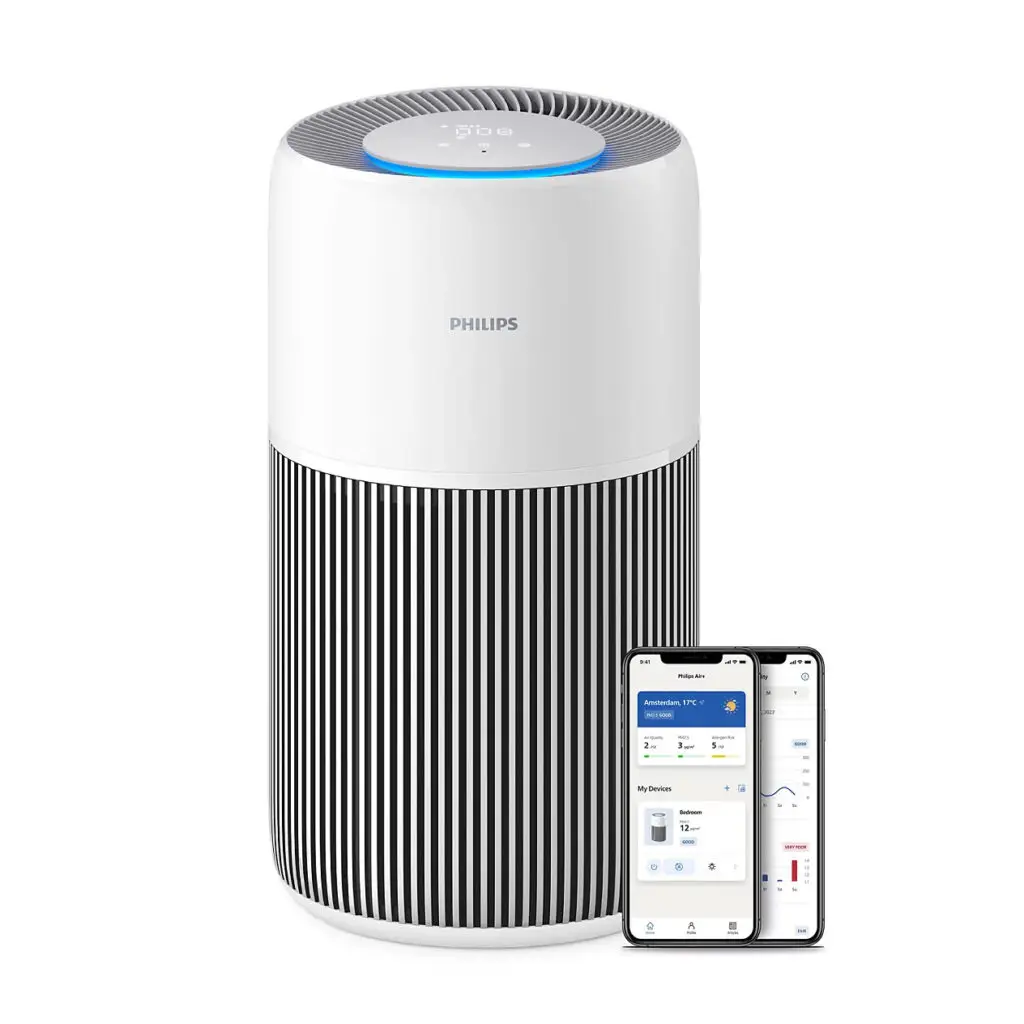
The Philips PureProtect Quiet 2200 (AC2220/10) is the best all-rounder for most Singapore homes. It’s powerful enough for a whole HDB living and dining area, quiet enough to sleep through, and doesn’t use an ioniser at all.
- Price: about S$359 at Harvey Norman
- CADR: 420 m³/h, enough for a living room
- Noise: from 13 dB on its lowest setting, which is barely audible
- Smart features: Philips Air+ phone app, voice control with Google Assistant or Alexa, and a built-in sensor that adjusts the fan for you
2. Best Air Purifier for Haze: Sterra Breeze Pro
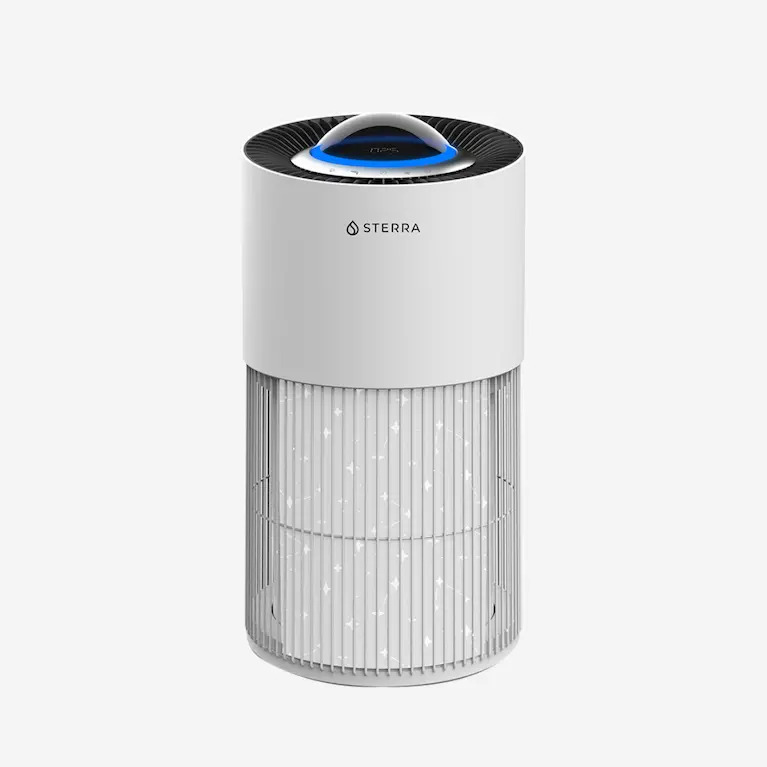
The Sterra Breeze Pro is a good option if you’re looking to reduce haze particles in larger rooms, such as living rooms. With a CADR of 500 m³/h, it delivers more clean air per hour than many smaller or cheaper air purifiers.
- Price: S$329 at Sterra
- CADR: 500 m³/h, enough for a living room or open-plan space
- Noise: from about 25 dB, quiet enough for night-time
- Smart features: SmartLife phone app, and a display that shows the haze level in the room
3. Best Air Purifier for Dust and Allergies: LG PuriCare 360° Hit
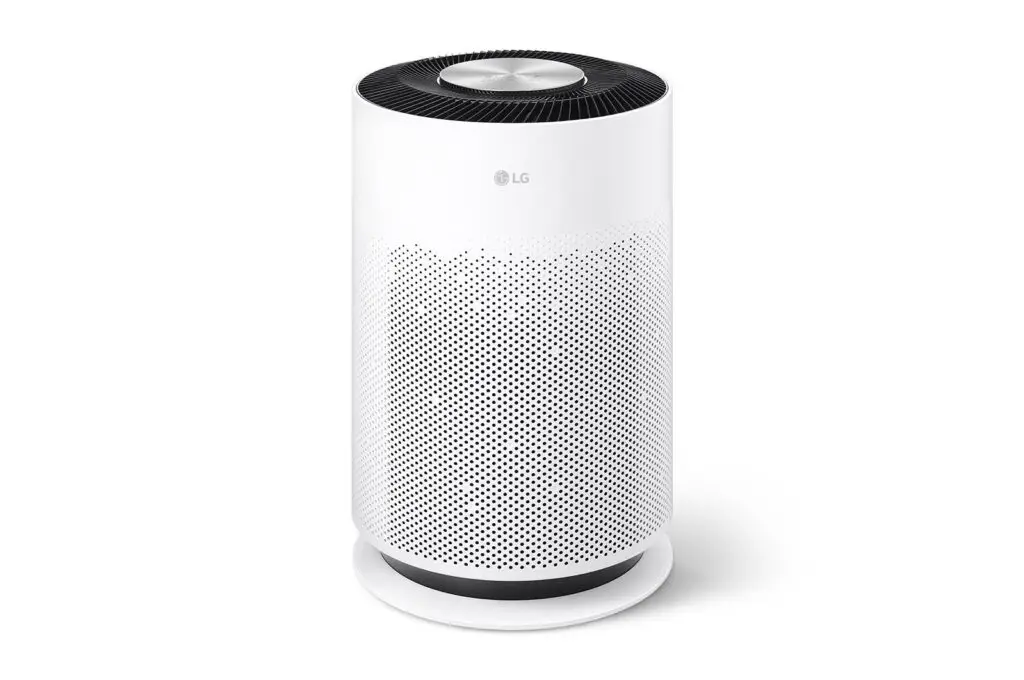
The LG PuriCare 360° Hit (AS60GHWG0) is worth considering if you’re frequently bothered by airborne dust, pollen, or other allergens at home.
Its sensor detects ultrafine PM1.0 particles, and its round design pulls in air from all sides.
- Price: about S$399 at Harvey Norman
- CADR: 480 m³/h, enough for a living room
- Noise: 25 to 53 dB
- Smart features: LG ThinQ phone app, and sensors that detect fine dust and smells
4. Best Premium Air Purifier: Dyson Purifier Big+Quiet Formaldehyde (BP04)
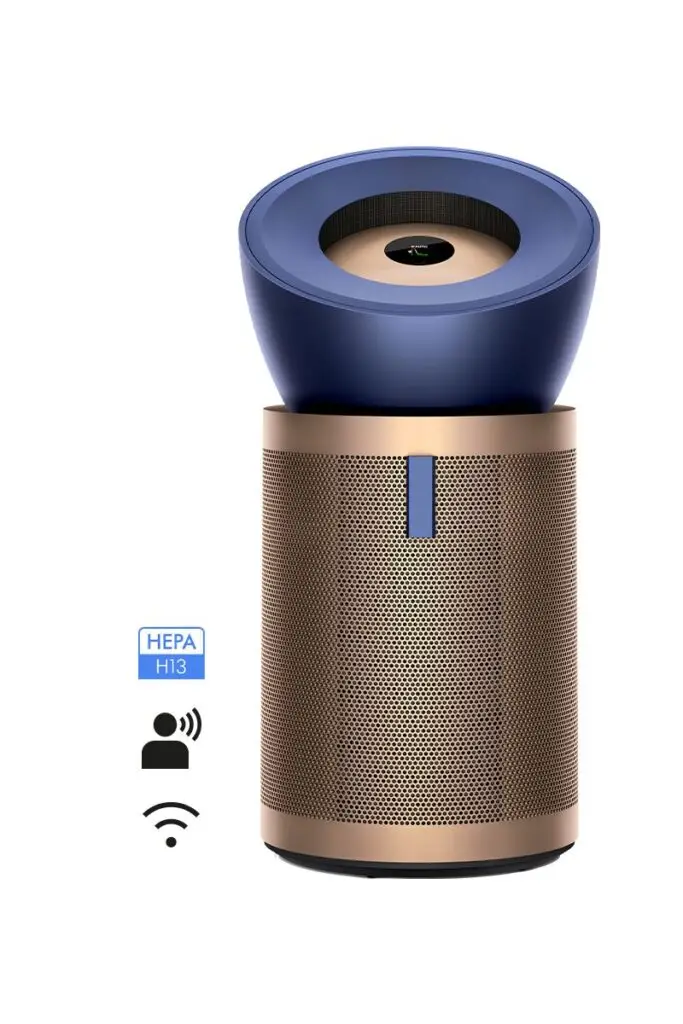
The Dyson Purifier Big+Quiet Formaldehyde (BP04) is a premium option for households that want more than basic air purification.
It’s designed to push clean air across large spaces. It also has a special filter that breaks down formaldehyde, a chemical often given off by new furniture and fresh renovations.
- Price: about S$1,399 at Dyson Singapore
- CADR: not published by Dyson
- Noise: 56 dB at top speed
- Smart features: MyDyson phone app, and built-in air quality sensors
5. Best Budget Air Purifier: Xiaomi Smart Air Purifier 4 Lite
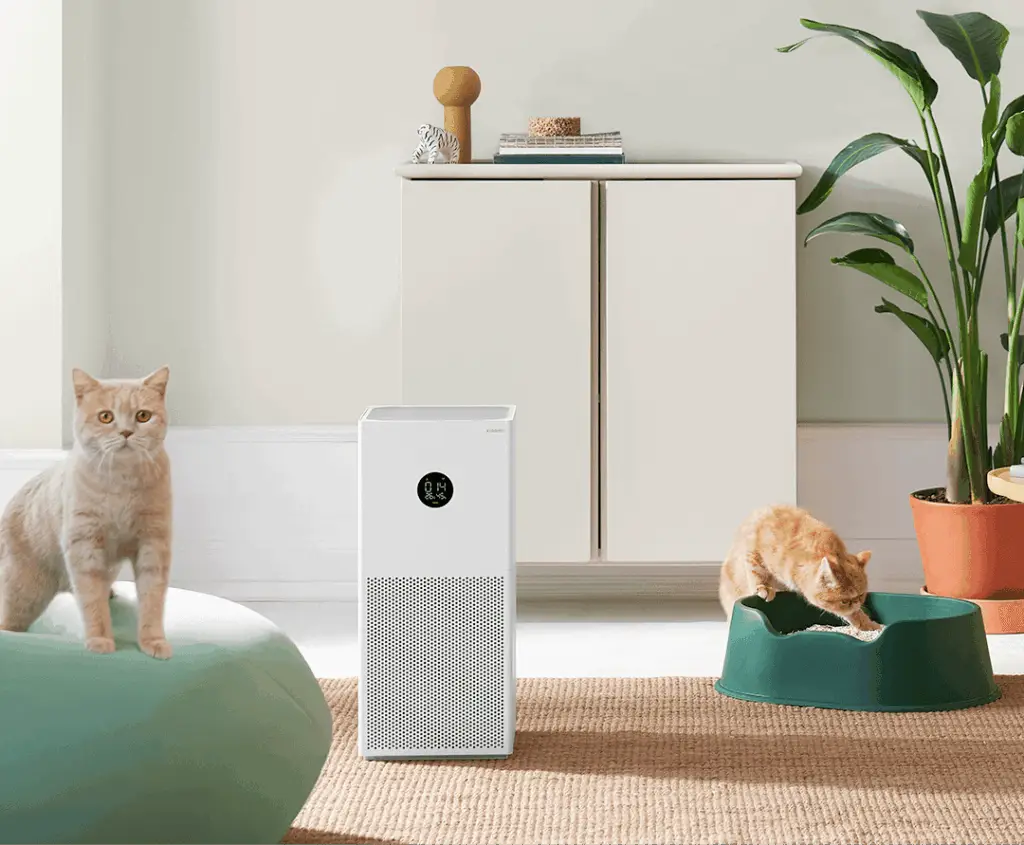
The Xiaomi Smart Air Purifier 4 Lite is one of the more affordable options if you want to keep dust and haze particles under control without spending several hundred dollars.
Despite its relatively low price, it offers enough cleaning power for many HDB bedrooms and smaller living rooms. It also includes an air quality display and an automatic mode, features often found on more expensive air purifiers.
Xiaomi uses its own high-efficiency particle filter instead of a conventional H13 HEPA filter. According to Xiaomi, the filter captures 99.97% of 0.3-micrometre particles under specified test conditions.
- Price: about S$128
- CADR: 360 m³/h, enough for a master bedroom or small living room
- Noise: about 33 dB in night mode
- Smart features: Xiaomi Home phone app, voice control with Google Assistant or Alexa, and an on-screen haze level
6. Best Air Purifier for Pets: Levoit Vital 200S Pet
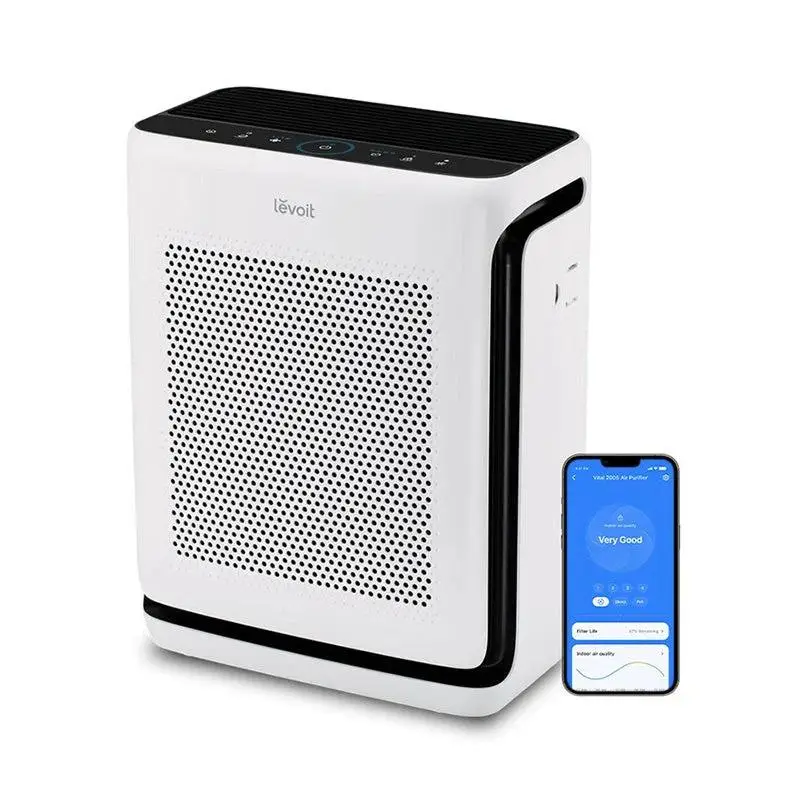
The Levoit Vital 200S Pet is a good option for pet owners who want to reduce floating fur, pet dander, and everyday dust.
Its design includes multi-stage filtration system designed to capture larger airborne particles, such as pet hair and other allergens.
Its washable nylon pre-filter traps larger particles before they reach the main filter, helping to keep it cleaner for longer and reduce replacement costs. This is especially useful if your pets shed frequently or spend a lot of time indoors.
For homes with cats or dogs that shed frequently, this can help reduce the amount of fur and dander floating in the air.
- Price: about S$341 at Challenger
- CADR: 416 m³/h, enough for a living room
- Noise: 27 to 56 dB
- Smart features: VeSync phone app, Pet Mode, and a light sensor that dims the display at night
7. Best Mini and Portable Air Purifier: Levoit Core Mini
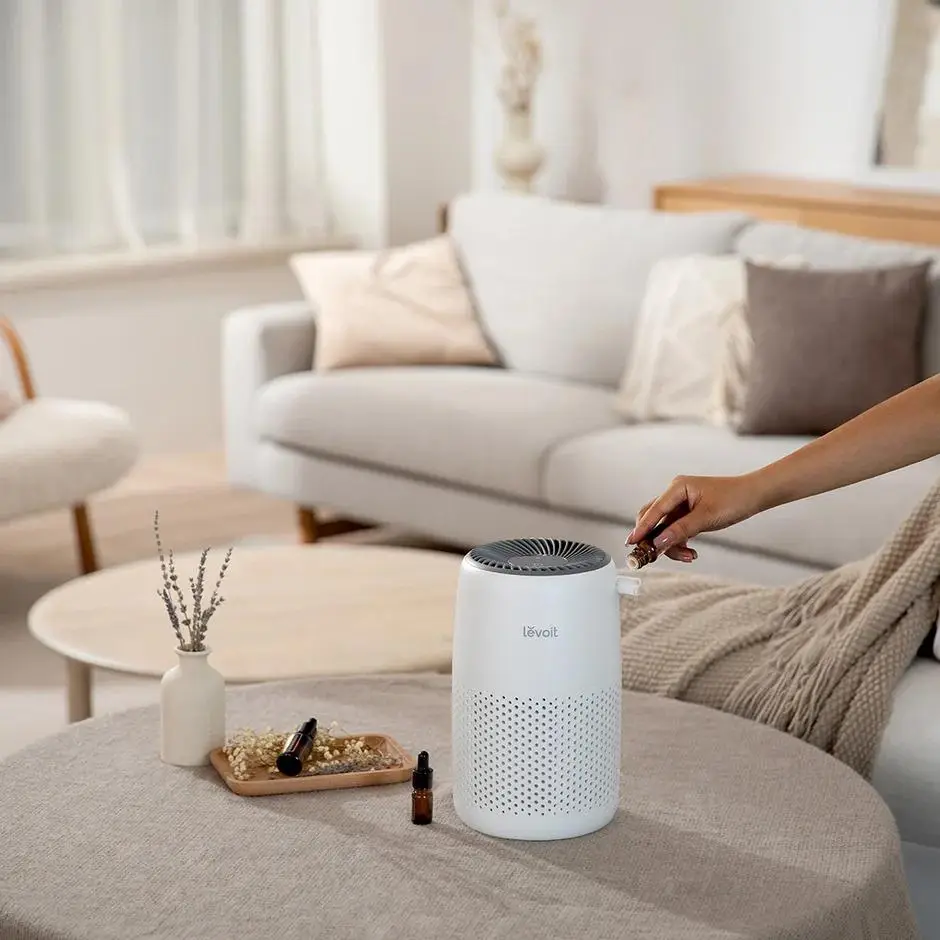
The Levoit Core Mini is the best small air purifier for a bedside table, study desk, or small bedroom. Unlike many mini purifiers, it uses a proper H13 HEPA filter.
- Price: about S$85 at Challenger
- CADR: about 58 m³/h
- Noise: 27 to 44 dB
- Smart features: none; it runs on simple touch buttons, with no app or air quality sensor
8. Best Air Purifier with Humidifier: Sharp KI-N50
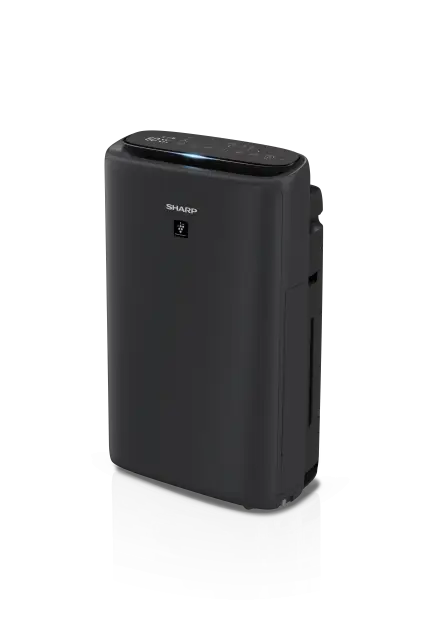
The Sharp KI-N50 is the best air purifier with a humidifier. It suits bedrooms where the air feels dry after long nights with the aircon on.
In addition to cleaning the air, it adds up to 600 ml of moisture per hour.
- Price: about S$1,063 at Harvey Norman
- CADR: not published by Sharp
- Noise: 17 to 51 dB
- Smart features: Sharp COCORO AIR app to control the purifier remotely
9. Best 2-in-1 Dehumidifier and Air Purifier: Novita ND50+
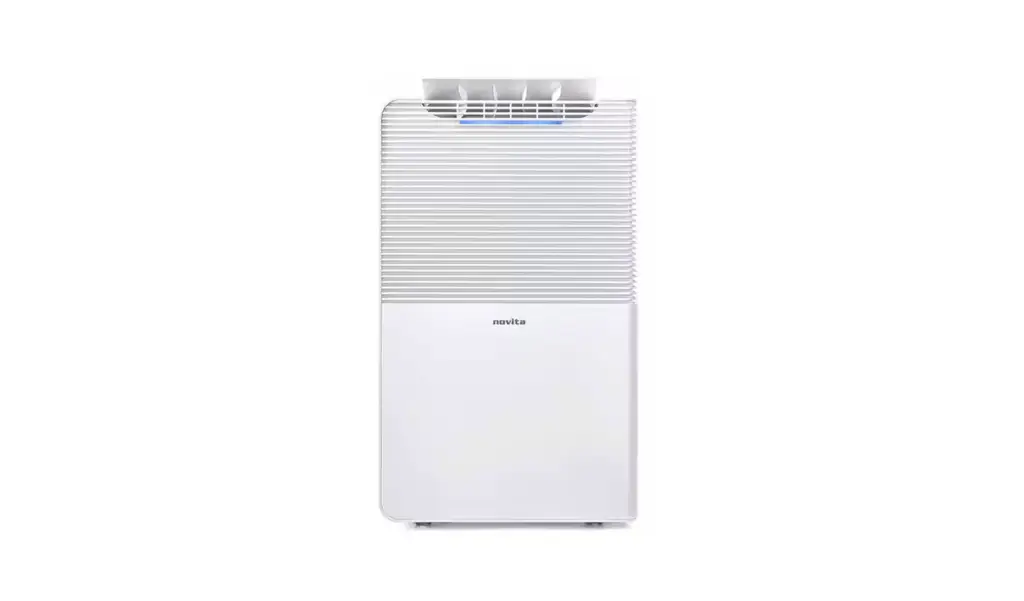
The Novita ND50+ is the best 2-in-1 dehumidifier and air purifier for Singapore’s damp weather.
Unlike a regular air purifier, this appliance can remove moisture from the air while filtering airborne particles. This makes it useful for damp bedrooms, enclosed rooms, and homes where laundry takes a long time to dry.
It also offers an H13 HEPA filter option to help capture fine airborne particles.
- Price: about S$698 at FairPrice
- CADR: not published by Novita
- Noise: not stated by Novita
- Smart features: none listed. But it has a laundry-drying mode and a continuous drainage option
What to Look Out For in an Air Purifier
When buying an air purifier, focus on how well it cleans the air, whether it fits your room size, and how much it costs to maintain.
You don’t necessarily need the most expensive model. An affordable air purifier with a good filter and enough cleaning power for your room may be all you need.
Here are some things to consider.
1. HEPA Filter: Look for Effective Filtration
As mentioned above, a HEPA filter is designed to trap very small airborne particles, including dust, pollen, and haze particles.
When shopping for air purifiers, keep an eye out for those with these labels:
- True HEPA filters
- H13 HEPA filters (Medical-grade)
- H14 HEPA filters (Higher filtration level medical-grade)
Be wary of terms such as “HEPA-type”, “99% HEPA”, or “HEPA-like” as these are just marketing terms.
They aren’t properly certified like true HEPA filters and therefore don’t meet the same rigorous testing standards.
2. CADR
CADR stands for Clean Air Delivery Rate, and it tells you how much air a purifier can clean per hour.
The higher the CADR, the faster it cleans your room.
For example, a purifier with a CADR of 400 m³/h can generally clean a room faster than one rated at 200 m³/h, assuming both are tested under comparable conditions.
3. Room Size: Make Sure It’s Suitable for Your Home
Most air purifiers come with a recommended room size.
For example, a compact air purifier may be sufficient for an HDB bedroom but struggle to clean a spacious living room quickly.
If you’re buying an air purifier mainly for haze protection, choose one that can comfortably handle your room size rather than a model that’s just barely large enough.
4. A Carbon Filter for Smells
A HEPA filter traps particles but not smells. If you want to get rid of the burning smell of haze, cooking smells, or the chemical smell from new paint and furniture, pick a model with a good carbon filter.
5. Noise Level
Some air purifiers can get quite noisy when operating at full speed.
If you’re placing one in your bedroom, look for a model with a quiet or sleep mode. As a rough guide, noise levels of around 20 to 30 dB are very quiet and are considered ideal for sleeping, reading, or a quiet environment.
However, keep in mind that sleep mode usually reduces fan speed, so the purifier may clean the air more slowly.
6. Additional Features
Many newer air purifiers come with convenient features that make them easier to use.
For example, some models display your room’s air quality, automatically adjust fan speeds, or let you control settings through a mobile app.
7. After-Sales Support
Check how long the warranty is, whether replacement filters are easy to buy in Singapore, and whether the brand has a local service centre.
Air Purifier vs Humidifier vs Dehumidifier: What’s the Difference?
| Feature | Air purifier | Humidifier | Dehumidifier |
| Main purpose | Traps haze, dust, pollen, and pet fur; a carbon filter also removes smells | Adds moisture to dry air | Removes excess moisture from damp air |
| Removes haze particles? | Yes, with a true HEPA filter | No | Yes, only if it has a HEPA filter |
| Best for | Haze, dust, allergies, pets | Dry skin or throat in air-conditioned rooms | Mould and mildew, musty smells, drying laundry |
Conclusion
The best air purifier in Singapore depends on your budget, room size, and the airborne pollutants you want to remove.
Whichever model you choose, focus on its filtration performance, cleaning power, and suitability for your room rather than paying extra for features you might not need.
An air purifier is also just one part of keeping your home comfortable and clean. Consider pairing it with one of the best robot vacuums in Singapore to remove dust that settles on floors, or explore our HDB renovation tips to learn more about improving your living space.
If you’re upgrading other home essentials, check out our guides to the best mattresses in Singapore and best air fryers in Singapore.
Frequently Asked Questions
Do Air Purifiers Really Work for Haze?
Yes. Air purifiers with a true HEPA filter trap at least 99.97% of tiny particles, including the fine smoke particles in haze. They work best in a closed room, with a purifier powerful enough for the room’s size.
What CADR Do I Need for My Room?
As a rule of thumb, aim for at least 150 m³/h for a common bedroom (about 100 to 120 sq ft), 200 m³/h for a master bedroom (about 140 to 170 sq ft), and around 400 m³/h for a living room (320 sq ft or more). A higher CADR generally means faster air cleaning.
Can an Air Purifier Remove Dust?
Yes. A HEPA filter captures airborne dust, and a pre-filter catches larger particles and fur.
However, it cannot remove dust that has already accumulated on your floors, shelves, or furniture. You’ll still need to vacuum and clean regularly.
Do I Need an Air Purifier With a Humidifier in Singapore?
Usually not. Singapore is humid all year, so extra moisture is rarely needed and can encourage mould. A humidifying purifier is only worth it if your bedroom feels very dry from running the aircon for long hours.